
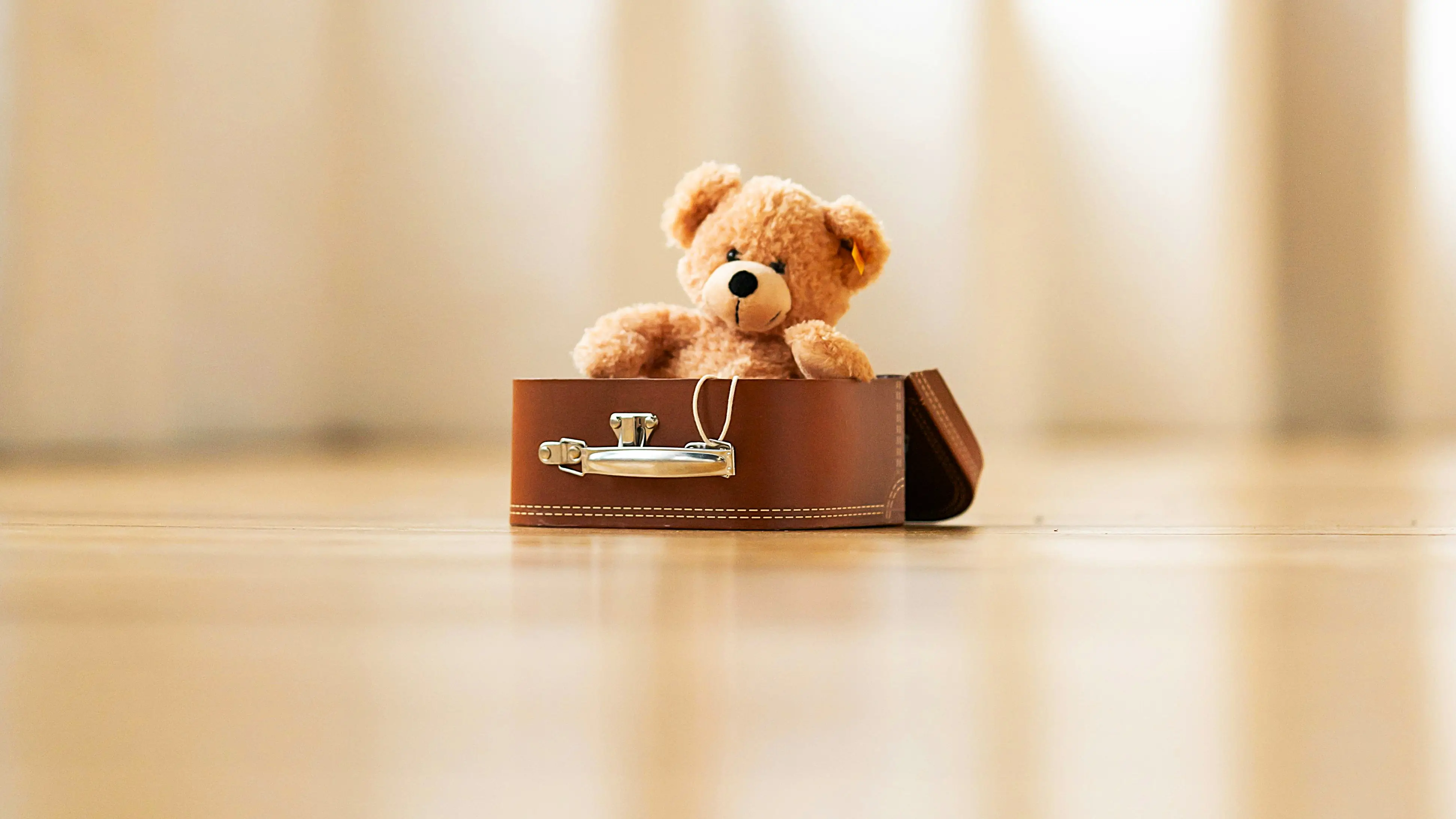
DETROIT – In 1907, a Michigan reverend saw the teddy bear as more than a child’s toy. He saw a threat to society.
The Rev. Michael Esper, from St. Joseph, described teddy bears as “disgusting,” “horrible monstrosities,” “pseudo animals,” and “a bundle of horridness.”
Recommended Videos
Esper’s concern was not about loose stuffing or sharp plastic eyes. He feared young girls would choose teddy bears over baby dolls, lose their maternal instincts and no longer want children. That, he warned, could lead to the moral decay of society.
“It is a monstrous crime to do anything that will destroy these instincts,” Esper said of teddy bears.
This was not a one-off thing; Esper had supporters who agreed with him.
It made headlines nationwide. Sometimes on the front page.
The controversy became so widespread that reporters asked President Theodore Roosevelt, whose name helped inspire the term “teddy bear,” what he thought.
Roosevelt, wisely, declined to comment.
In the end, Esper’s fears and warnings did not stop the teddy bear. The public chose the bear.
Teddy bears became comfort objects for children and adults alike. Soldiers carried them as good-luck charms during World War I and World War II, and the toy became one of the most recognizable symbols of childhood.
It’s a reminder that we’ve always had these strange cultural hysteria moments about something new that will potentially damage the youth. Rock music, Dungeons & Dragons, video games such as “Doom,” Pokémon and rap music have all faced versions of the same panic.
In 1907, the supposed threat was a stuffed bear. More than a century later, the teddy bear remains and the panic is mostly forgotten.
